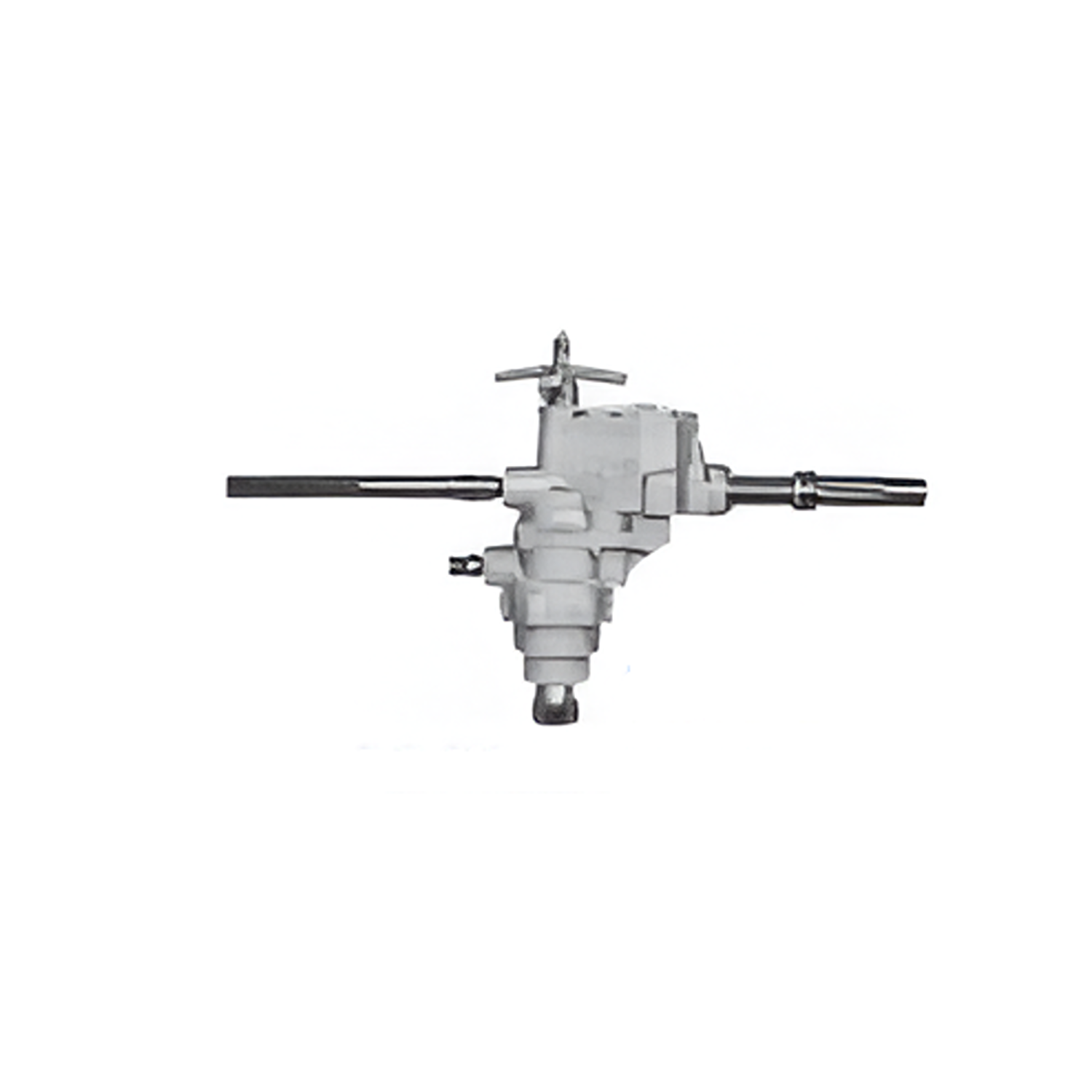
Power tools are the backbone of any productive workshop or industrial operation. The right tool reduces effort, improves precision, and gets the job done safely. The wrong one leads to poor results, premature wear, and in some cases, serious injury.
Whether you are setting up a new workshop, replacing ageing equipment, or specifying tools for a maintenance team, the selection process matters. This guide covers the main categories of power tools, how to match them to your application, and what to look for when comparing models.
Table of Contents
Power Tool Categories
Power tools are broadly grouped by their primary function. Understanding the categories helps narrow down what you need before comparing individual models.
- Drilling and fastening: Drills, hammer drills, rotary hammers, and impact drivers. Used for boring holes and driving fasteners into wood, metal, masonry, and concrete.
- Cutting: Circular saws, jigsaws, reciprocating saws, and angle grinders with cutting discs. Used for cutting sheet metal, pipe, timber, and structural materials.
- Grinding and finishing: Angle grinders, bench grinders, and polishers. Used for material removal, surface preparation, weld dressing, and finishing.
- Fastening: Impact wrenches and ratchets. Used for high-torque bolt tightening and removal in automotive and heavy equipment maintenance.
- Measuring and marking: Laser levels and rotary lasers. Used for alignment, levelling, and layout work in construction and installation.
Corded vs Cordless
The choice between corded and cordless tools is one of the first decisions to make, and it depends on your working environment and the nature of the tasks involved.
Corded Power Tools
- Continuous power output with no interruption from battery depletion
- Higher sustained power for demanding applications such as heavy drilling, concrete work, and continuous grinding
- Lower purchase cost for equivalent power output
- Suitable for fixed workshop environments with consistent access to power outlets
- Heavier duty cycles without the need to manage battery charge
Cordless Power Tools
- Freedom of movement, essential for site work, confined spaces, and locations without nearby power access
- Faster setup with no cable management required
- Modern lithium-ion batteries provide sufficient runtime for most maintenance tasks
- Battery platforms allow one battery system to power multiple tools
- Require battery management. Charge planning is necessary for extended work sessions
When to Use Each
| Scenario | Recommended |
|---|---|
| Fixed workshop with power access | Corded |
| Field maintenance and site work | Cordless |
| Continuous heavy-duty operations | Corded |
| Confined spaces and overhead work | Cordless |
| Intermittent use across multiple locations | Cordless |
Key Selection Criteria
Once you have determined the tool category and power source, evaluate models based on these technical criteria:
- Power rating (watts or amps): Higher wattage delivers more torque and speed under load. Match the power rating to the material and application. Under-powered tools stall and overheat in demanding work.
- Duty cycle: The percentage of time a tool can operate continuously without overheating. Industrial-grade tools have higher duty cycles than consumer-grade equivalents. For continuous production use, select tools rated for professional or industrial duty.
- Speed and torque range: Variable speed control gives flexibility across different materials. For drilling and driving, adjustable torque clutches prevent overdriving fasteners and protect workpieces.
- Chuck or spindle size: Determines the maximum bit or accessory diameter the tool can accept. Larger chucks handle bigger bits and provide more grip.
- Ergonomics and weight: For extended use, tool weight and handle design directly affect operator fatigue and control. Professional-grade tools balance power with usable ergonomics.
- IP rating (for site and industrial use): Tools used in dusty, wet, or harsh environments should carry appropriate ingress protection ratings to ensure longevity.
- Brand and service support: For professional environments, choose brands with local service support and spare parts availability to minimise downtime.
Power Tools by Application
Automotive Workshop

- Impact wrench: For wheel nut removal and installation, suspension work, and engine component disassembly. Choose models with sufficient torque rating for the fastener sizes in use.
- Angle grinder: For cutting exhaust components, grinding welds, and surface preparation. Use appropriate discs for metal work.
- Drill/driver: For general fastening tasks. Cordless models preferred for flexibility around the vehicle.
Industrial Maintenance

- Rotary hammer drill: For anchor installation in concrete and masonry. Select models with SDS-Plus or SDS-Max chuck for compatibility with professional drill bits.
- Angle grinder: For weld preparation, surface grinding, and pipe cutting. Heavy-duty models with higher wattage are required for sustained production use.
- Impact wrench: For machinery maintenance and bolt-intensive assembly work. High-torque models handle large fasteners on industrial equipment.
Fabrication and Metalwork

- Angle grinder: The most versatile tool in metal fabrication. Cutting, grinding, and finishing in a single platform with interchangeable discs and wheels.
- Drill press or magnetic drill: For precise, perpendicular holes in structural steel and plate. More accurate than handheld drills for fabrication work.
- Reciprocating saw: For cutting pipe, structural sections, and sheet material in place, where a circular saw cannot be positioned.
Construction and Site Work
- Rotary hammer: For concrete drilling and light chiselling. SDS-Plus for general construction, SDS-Max for heavy demolition.
- Circular saw: For cutting timber, sheet goods, and framing materials. Cordless models with high-capacity batteries handle most site cutting tasks.
- Laser level: For setting out, alignment, and levelling over long distances. Self-levelling models reduce setup time and eliminate manual checking.
Safety and Maintenance
Power tools require proper handling and maintenance to perform safely and last. Neglecting either creates risk for the operator and reduces tool life.
Safety Practices
- Always use the correct guard or safety shield for the tool and accessory in use. Never remove guards to improve access.
- Inspect tools before each use. Do not use tools with damaged cables, cracked housings, or defective switches.
- Use the correct accessory for the material and application. Using a wood blade on metal, or a cutting disc for grinding, creates hazardous conditions.
- Wear appropriate PPE, including safety glasses, hearing protection, and gloves, at all times during power tool use.
- Secure workpieces properly before cutting or drilling. Never hold work by hand against a power tool.
Maintenance
- Clean tools after each use, particularly air vents and motor housings. Dust and debris accumulation causes overheating and motor wear.
- Inspect and replace carbon brushes on brushed motors at the manufacturer's recommended intervals.
- Keep cutting accessories sharp. Dull blades and bits require more force, generate more heat, and produce inferior results.
- Store tools in their cases, away from moisture and extreme temperatures. For cordless tools, store batteries at partial charge in cool conditions to extend battery life.
- Have tools serviced by qualified technicians when performance degrades or unusual noise, vibration, or heat is noticed.
Power Tools at Yew Aik
At Yew Aik (S) Pte Ltd, we carry power tools selected for professional and industrial use:
- Blue-Point: Professional-grade power tools covering drills, impact wrenches, angle grinders, and air tools. Blue-Point is a trusted brand in automotive and industrial workshops requiring consistent performance and durability.
- Alinton: Power tools suited for workshop and site applications, offering practical performance across drilling, grinding, and cutting tasks.
Browse our full range at Power Tools collection or contact us at sales@yewaik.com. Our team at Jalan Besar Plaza, Singapore can advise on the right tool specification for your application.
Frequently Asked Questions

What is the difference between a hammer drill and a rotary hammer?
A hammer drill combines rotation with a hammering action to drill into masonry and concrete. It is suitable for light to medium masonry work. A rotary hammer uses a pneumatic mechanism to deliver a much more powerful impact, making it more effective for heavy concrete drilling, anchor installation, and light demolition. For serious industrial or construction masonry work, a rotary hammer with an SDS chuck is the correct choice.
How do I choose the right angle grinder size?
Angle grinders are categorised by disc diameter, typically 100 mm, 115 mm, 125 mm, 180 mm, and 230 mm. Smaller discs (100 to 125 mm) are lighter and more manoeuvrable, suited for precision cutting and finishing in tight areas. Larger discs (180 to 230 mm) remove material faster and are better for heavy grinding, weld preparation, and cutting thick sections. Match the disc size to the task and ensure the grinder's power rating is appropriate for the disc diameter in use.
Is cordless tool performance comparable to corded for professional use?
For most maintenance and assembly tasks, modern cordless tools with brushless motors and high-capacity lithium-ion batteries deliver performance comparable to corded equivalents. For sustained high-load operations such as continuous grinding, heavy concrete drilling, or production-line assembly, corded tools remain preferable because they deliver uninterrupted power without battery management constraints.
How often should power tools be serviced?
Service intervals depend on usage intensity. For professional and industrial use, inspect tools monthly for visible damage, cable condition, and accessory wear. Carbon brushes in brushed motors should be checked every 50 to 100 hours of use and replaced before they wear to the minimum length. Annual servicing by a qualified technician is recommended for tools in continuous use. Replace any tool showing signs of electrical fault, overheating, or structural damage immediately.
What PPE is required when using power tools?
At minimum, safety glasses or a face shield, hearing protection, and appropriate gloves should be worn when operating power tools. For angle grinding, a full face shield is recommended in addition to safety glasses. When drilling or cutting materials that generate fine dust, such as concrete, stone, or certain metals, respiratory protection is also required. Always refer to the tool manufacturer's safety instructions and local workplace safety regulations.
Where can I buy professional power tools in Singapore?
Yew Aik (S) Pte Ltd at Jalan Besar Plaza, Singapore carries professional power tools from Blue-Point and Alinton for workshop, industrial, and site applications. Browse our Power Tools collection or contact us at sales@yewaik.com for recommendations based on your application and tool specification.